
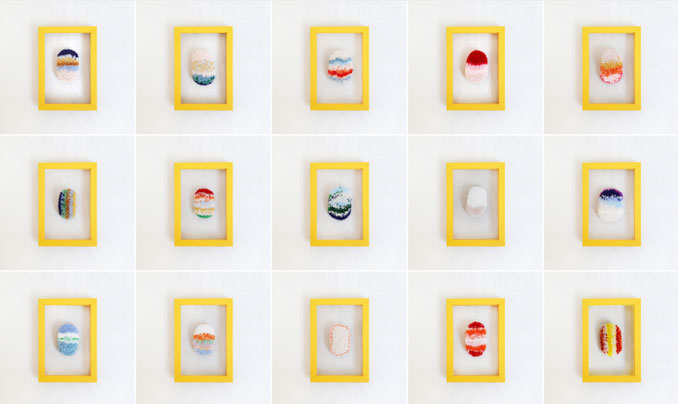
The Science & the Soul
WHY COLOUR AFFECTS US SO DEEPLY?
Colour psychology sits at a fascinating crossroads between hard science and something older and less easily measured. On the scientific side, we know that colour is light — specific wavelengths of electromagnetic energy that the eye receives and the brain interprets. We know that different wavelengths activate different responses in the nervous system. Warm colours with longer wavelengths — reds, oranges, yellows — stimulate the sympathetic nervous system, increasing alertness, energy, and arousal. Cool colours with shorter wavelengths — blues, greens, violets — activate the parasympathetic nervous system, promoting calm, reflection, and restoration.
But colour is more than biology. It is also culture, memory, and meaning accumulated over lifetimes and across generations. The red that signals danger in one context signals celebration in another. The white of mourning in one culture is the white of purity in another. We learn colour the way we learn language — through immersion, repetition, and the emotional associations that accumulate around each shade over the course of a life.
The Colours
A GUIDE TO WHAT YOU ARE REALLY WEARING
RED

COLOUR OF THE PULSE
Red is the first colour the human eye perceives. It is the colour of blood and fire — the two forces that have, since the beginning of human existence, meant either survival or danger, life or death. The nervous system has never forgotten this.
WHAT IT DOES: Red raises the heart rate. It increases energy, urgency, and physical arousal. It heightens attention and sharpens focus. It creates a sense of presence — both for the wearer and for those around them. Studies consistently show that people wearing red are perceived as more powerful, more confident, and more sexually attractive. More interestingly, people wearing red report feeling more confident, more assertive, and more capable.
THE EMOTION IT CARRIES: Passion. Courage. Desire. Power. Urgency. Vitality. The full-bodied yes.
ACROSS CULTURES: In China, red is the colour of luck, celebration, and new beginnings — worn at weddings and New Year to invite fortune. In India, red is the colour of the married woman, of Shakti, of divine feminine power. In ancient Rome, red was the colour of Mars, the god of war — generals returned home in red-dyed robes. In the Christian tradition, red is the fire of the Holy Spirit and the blood of sacrifice. In Japan, red torii gates mark the boundary between the ordinary world and the sacred.
WHEN TO WEAR IT: When you need to be seen. When you are walking into a room that matters. When you want the world to know, before you say a word, that you have arrived.
RED DOESN'T AS PERMISSION, IT COMMANDS IT.
ORANGE

COLOUR OF WARMTH
If red is the flame, orange is the warmth it radiates. Less aggressive, more generous. Orange carries red's energy but softens it with yellow's openness, creating something uniquely welcoming, optimistic, and alive.
WHAT IT DOES: Orange stimulates enthusiasm and creativity. It is the colour most associated with social connection and communication — it literally encourages people to talk, to open up, to engage. Orange activates appetite and sensory pleasure. It is one of the most emotionally warm colours in the spectrum — psychologically, it feels like a hug.
THE EMOTION IT CARRIES: Joy. Enthusiasm. Warmth. Adventure. Creativity. The particular happiness of being exactly where you want to be.
ACROSS CULTURES: In Hinduism, saffron orange — bhagwa — is the most sacred colour in existence, representing fire, purity, and the renunciation of the material world in pursuit of the divine. Buddhist monks wear saffron robes for the same reasons. In the Netherlands, orange is the colour of national identity and collective pride. In Celtic tradition, orange was the colour of harvest — the abundance of the earth made visible. In Indigenous American traditions, orange represents kinship and the interconnectedness of all living things.
WHEN TO WEAR IT: When you want to feel lit from within. When you are stepping into a creative challenge. When you want to be the warmest person in the room — the one people gravitate toward without quite knowing why.
ORANGE DOESN'T RADIATE WARMTH. IT CREATES IT.
YELLOW

COLOUR OF LIGHT
Yellow is light made wearable. It is the colour the human eye processes faster than any other — the most visible colour in the spectrum, the one that registers first and leaves the strongest impression. It is, in the most literal sense, the colour of attention.
WHAT IT DOES: Yellow activates the brain's pleasure centres, releasing serotonin and creating feelings of happiness and optimism. It stimulates mental clarity and the processing of new information. It generates energy that is lighter and more buoyant than red's intensity — the fizz rather than the fire. Yellow also stimulates the ego in the psychological sense — the sense of individual self, personal identity, and one's place in the world.
THE EMOTION IT CARRIES: Happiness. Optimism. Clarity. Confidence. Curiosity. The spontaneous, uncomplicated delight of a perfect morning.
ACROSS CULTURES: In ancient Egypt, yellow was the colour of the sun god Ra — the source of all life and light. Gold, understood as solidified sunlight, carried the same divine associations. In China, yellow was the most imperial of colours — reserved exclusively for the emperor, connecting earthly power to the cosmic power of the sun. In Japan, yellow chrysanthemums are symbols of the imperial family and of long life. In many African traditions, yellow and gold represent high status, wealth, and the wisdom of experience. In Hinduism, yellow is the colour of knowledge and learning — the colour of Saraswati, goddess of wisdom and arts.
WHEN TO WEAR IT: When the day ahead feels heavy, and you need to remind yourself of lightness. When you are embarking on something new. When you simply, stubbornly, refuse to be anything other than optimistic.
YELLOW IS AN INVITATION TO LIFE. IT SAYS TODAY I AM THE SUN.
pINK

COLOUR OF FEARLESSNESS & SOFTNESS
Pink has been diminished. Reduced, in the modern Western imagination, to a narrow band of associations — girlhood, sweetness, the superficially pretty. This is a profound misreading of one of the most psychologically complex colours in the spectrum.
WHAT IT DOES: Pink — particularly in its deeper, more saturated forms — has been shown to reduce aggression and promote feelings of calm, care, and openness. It activates the nurturing instinct. It softens the nervous system without reducing energy.
Hot pink and fuchsia, by contrast, carry considerable power and assertion — they are anything but passive. Pink in all its forms increases feelings of self-compassion and emotional warmth.
THE EMOTION IT CARRIES: Compassion. Playfulness. Confidence in vulnerability. The particular strength that comes from choosing gentleness on purpose.
ACROSS CULTURES: In Japan, pink cherry blossoms — sakura — are among the most culturally significant symbols in existence, representing the exquisite, fleeting beauty of life and the grace required to appreciate impermanence. In South Korea, pink is associated with trust and the strength of caring relationships. In India, the gulabi — the pink — of Rajasthan's famous Pink City, Jaipur, was a colour of hospitality, welcoming guests with warmth. Across many South American traditions, pink and magenta are colours of celebration and spiritual joy.
WHEN TO WEAR IT: When you want to show the world that tenderness is not weakness. When you are in a season of self-compassion. When you want to be both soft and completely, utterly unforgettable.
PINK SAYS SOMETHING THE WORLD KEEPS FORGETTING; GENTLENESS IS ITS OWN FORM OF POWER.
FUCHSIA & MAGENTA

COLOUR OF ATTENTION & IMAGINATION
Fuchsia and magenta occupy a space that technically does not exist in the physical spectrum — they are the brain's invention, created to bridge red and violet, two ends of the spectrum that never actually meet. They are, in the most literal sense, colours of the imagination.
WHAT IT DOES: Fuchsia and magenta combine the physical energy of red with the spiritual depth of violet, creating something that is simultaneously grounding and transcendent, passionate and wise. They are profoundly assertive colours — impossible to overlook, impossible to forget — but they carry an emotional complexity that pure red does not.
THE EMOTION IT CARRIES: Bold joy. Passionate self-expression. The particular confidence of someone who has decided, definitively, to take up space.
ACROSS CULTURES: In Mexican tradition, magenta and fuchsia are colours of fiesta — of life celebrated loudly and with full commitment. In Indian textile traditions, these colours appear constantly in the most celebratory and sacred contexts — the hot pink of a bridal dupatta, the magenta of festival clothing. In many Mesoamerican traditions, deep pink and magenta were associated with the divine feminine — with the goddess energy that creates, sustains, and transforms.
WHEN TO WEAR IT: When you are done being quiet. When joy demands to be expressed at full volume. When you want to walk into a room and remind everyone — including yourself — that being alive is remarkable.
FUSHIA IS JOY THAT HAS STOPPED APOLOGISING.

GREEN

COLOUR OF LIFE
Green is the colour the human eye can distinguish in more shades than any other. This is evolutionary — for most of human history, the ability to read the green world with precision meant the difference between finding food and going hungry, between safe ground and dangerous. Green is wired into us at a depth no other colour can match.
WHAT IT DOES: Green promotes psychological balance and restoration. It reduces cortisol — the stress hormone — more effectively than almost any other colour. It promotes feelings of safety, growth, and possibility. Green literally slows the heart rate and lowers blood pressure. It is the colour of renewal — of the world after rain, of spring after winter, of the organism after rest.
THE EMOTION IT CARRIES: Balance. Growth. Renewal. Hope. The deep, breathing calm of knowing that life continues, that things grow, that everything lost eventually returns in a new form.
ACROSS CULTURES: In Islam, green is the most sacred colour — the colour of paradise, of the Prophet, of divine blessing and mercy. In Celtic tradition, green was the colour of the fairy world — liminal, alive, and carrying the dangerous, beautiful wildness of nature uncontrolled by human hands. In China, jade green represents the highest virtues: wisdom, justice, courage, compassion, and purity. In ancient Egypt, green was the colour of Osiris, god of resurrection — the colour of the fertile Nile banks, of life returning after death. In many Indigenous traditions, green is the colour of the heart chakra — love made physical in the world.
WHEN TO WEAR IT: When you are in the middle of something — a transition, a growth, a becoming. When you need the reminder that growth is always happening, even when it is invisible. When you want to feel rooted and reach simultaneously.
GREEN IS THE COLOUR OF LIFE, ALWAYS FINDING A WAY.
TEAL & TURQUOISE

COLOUR OF CLARITY
Teal and turquoise occupy the extraordinary meeting point of blue and green — carrying the calm of sky and sea alongside the vital, growing energy of the natural world. They are colours of exceptional psychological sophistication.
WHAT IT DOES: Teal promotes mental clarity and clear communication. It combines blue's calming effect on the nervous system with green's restorative qualities, creating a state of alert calm — the ideal condition for clear thinking, honest expression, and creative flow. Turquoise specifically has been shown to increase emotional resilience and boost confidence in self-expression.
THE EMOTION IT CARRIES: Clarity. Emotional intelligence. Calm confidence. The particular lucidity of a mind that is both settled and alive.
ACROSS CULTURES: Turquoise may be the most universally sacred colour in human history. In ancient Egypt, turquoise was the colour of the goddess Hathor — of joy, beauty, and divine protection. The Aztecs considered turquoise so sacred that only the gods and emperors could wear it — Quetzalcoatl himself was depicted in turquoise. Native American traditions across the Southwest regard turquoise as a piece of the sky fallen to earth — a direct connection to heaven, a stone of healing and protection. In Persia, turquoise was the colour of paradise, used to dome the great mosques and connect earthly architecture to the divine sky above.
WHEN TO WEAR IT: When you need to speak clearly and be heard. When you are navigating emotional complexity and need a colour that is both calming and clarifying. When you want to feel like the most intelligent person in the room — in the quietest possible way.
TEAL IS WISDOM REJECTING ILLUSIONS

BLUE

COLOUR OF INFINITY
Blue is the colour of the sky and the sea — the two largest things the human eye can see. It is the colour of everything that exceeds human scale, everything that reminds us we are small, and the world is vast, and this is, somehow, a comfort rather than a terror.
WHAT IT DOES: Blue is the most universally calming colour in the human psychological repertoire. It lowers heart rate, reduces blood pressure, and slows breathing. It promotes feelings of trust, reliability, and depth. Deep blue specifically activates contemplative states — the mind turns inward, becomes reflective, and finds access to its own deeper layers. Blue is also the colour most strongly associated with creative thinking at the conceptual level — the kind of thinking that connects disparate ideas across large distances.
THE EMOTION IT CARRIES: Trust. Depth. Calm. Contemplation. The particular peace of standing at the edge of something enormous and feeling, unexpectedly, at home.
ACROSS CULTURES: In ancient Egypt, blue was the colour of the divine and the heavens — lapis lazuli, the most precious blue pigment, was ground and used to paint the gods. In Hinduism, blue is the colour of the infinite — Vishnu and Krishna are depicted in blue to represent their divine, unlimited nature. In Christianity, the Virgin Mary has been dressed in blue since the Byzantine era, her blue representing heaven, purity, and the infinite mercy of the divine feminine. In Judaism, blue — tekhelet — is a sacred colour woven into prayer garments as a reminder of heaven and divine commandment. In many West African traditions, indigo blue was the most important colour in the textile vocabulary — its depth and complexity representing prestige, spirituality, and the deep waters of the unconscious.
WHEN TO WEAR IT: When you need to slow down and find your depth. When you are preparing for a conversation that matters and want to be trusted. When the world is too loud, and you need the colour of open sky.
BLUE IS THE DEEP BREATH YOU FORGOT TO TAKE
VIOLET & PURPLE

COLOUR OF SPACE
Violet is the last colour visible to the human eye before the spectrum moves beyond what we can perceive. It sits at the very edge of the visible world, just before the invisible begins. Psychologically and spiritually, it has always carried exactly this quality — the liminal, the mysterious, the threshold between what is known and what lies beyond knowing.
WHAT IT DOES: Violet and purple promote introspection, imagination, and access to deeper layers of consciousness. They are the colours most strongly associated with creative and spiritual thinking. Purple specifically combines the physical energy of red with the calming depth of blue, creating a state of energised reflection — passion directed inward, toward understanding rather than action.
THE EMOTION IT CARRIES: Mystery. Wisdom. Spiritual depth. Creative vision. The feeling of standing at the edge of understanding something enormous.
ACROSS CULTURES: Purple has been the colour of royalty and spiritual authority across almost every major civilisation — because for most of human history, purple dye was extraordinarily rare and expensive, made from the murex sea snail in a process so labour-intensive that only emperors and high priests could afford it. In ancient Rome, to wear purple was to be Caesar. In Byzantine Christianity, purple was the colour of Christ's suffering and divine kingship. In Hinduism, violet is the colour of the crown chakra — the point of connection between individual consciousness and the universal divine. In Japanese tradition, purple represents the highest spiritual and intellectual attainment. Among many Indigenous traditions of the Americas, purple and violet are associated with healing, transformation, and the medicine of deep inner work.
WHEN TO WEAR IT: When you are in a season of depth and transformation. When you are doing the inner work. When you want to signal — to yourself as much as to the world — that you understand there is more to life than the surface of things.
VIOLET IS THE COLOUR OF DEEP REALIZATION
WHITE & CREAM

COLOUR OF BEGINNINGS
White is not the absence of colour. It is the presence of all colours simultaneously — every wavelength of visible light combined into one. It is, in the most literal sense, everything at once.
WHAT IT DOES: White and cream promote mental clarity and the psychological sense of space, possibility, and new beginnings. They reduce cognitive overwhelm and create a sense of calm openness. Cream, specifically, carries white's clarity softened with warmth — adding comfort and approachability to its clean openness.
THE EMOTION IT CARRIES: Clarity. Possibility. New beginnings. The particular lightness of a clean page, an open door, a morning with nothing yet decided.
ACROSS CULTURES: In many Asian traditions — including Hindu, Buddhist, and Japanese — white is the colour of mourning, because it represents the transition into a new state of being, the white of beginning again. In Western traditions, white carries purity and new starts — the wedding dress, the blank canvas, the fresh page. In ancient Egypt, white was the colour of joy and celebration. In many Indigenous traditions, white represents the North — the season of winter, of rest, of the deep dream before spring's return.
WHEN TO WEAR IT: When you are starting something. When you need clarity and space to think. When you want to move through the world with lightness and quiet confidence.
WHITE IS THE COLOUR OF EVERY POSSIBILITY THAT HAS NOT YET CHOSEN FORM.

BLACK
COLOUR OF ALL POTENTIAL
Black absorbs all light. It holds everything and reveals nothing. It is the colour of depth, of mystery, of the vast dark from which all things emerge and to which all things return. It is the most sophisticated colour in the psychological vocabulary — and the most misunderstood.
WHAT IT DOES: Black creates psychological authority and presence. It conveys sophistication, depth, and self-containment — the quality of someone who does not need to explain themselves. Black also creates a sense of emotional protection — a boundary, a container, a deliberate separation between the inner world and the outer one. It is the colour of the person who has chosen, consciously, what to reveal and what to keep.
THE EMOTION IT CARRIES: Authority. Mystery. Elegance. The profound confidence of someone who has nothing to prove.
ACROSS CULTURES: In ancient Egypt, black was the colour of Osiris — of death, yes, but also of the fertile Nile silt that gave birth to all life. In many African traditions, black is the colour of spiritual maturity, of the deep wisdom that comes only through experience and initiation. In Japan, black represents experience, mastery, and the highest levels of attainment — the black belt, the lacquered surface. In Western mystical traditions, black is the colour of the prima materia — the undifferentiated potential from which all creation emerges.
WHEN TO WEAR IT: When you want to be present without being loud. When your inner world is rich and you want to keep it close. When you want the world to sense your depth before it sees your detail.
BLACK IS WHAT POWER LOOKS LIKE WHEN IT HAS NOTHING TO PROVE.
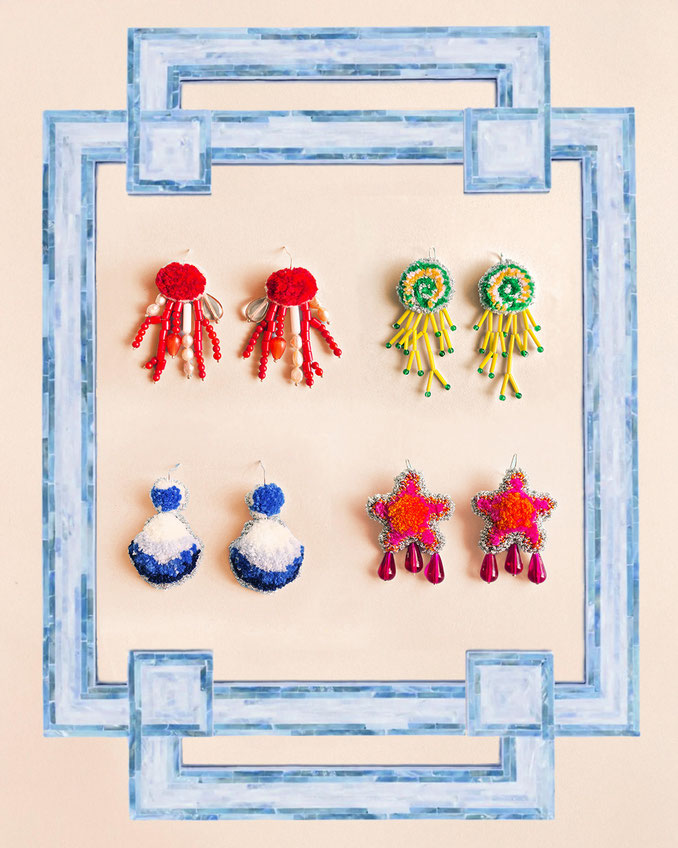
Explore our collections and let colour do what it has always done — change how you feel, from the outside in.